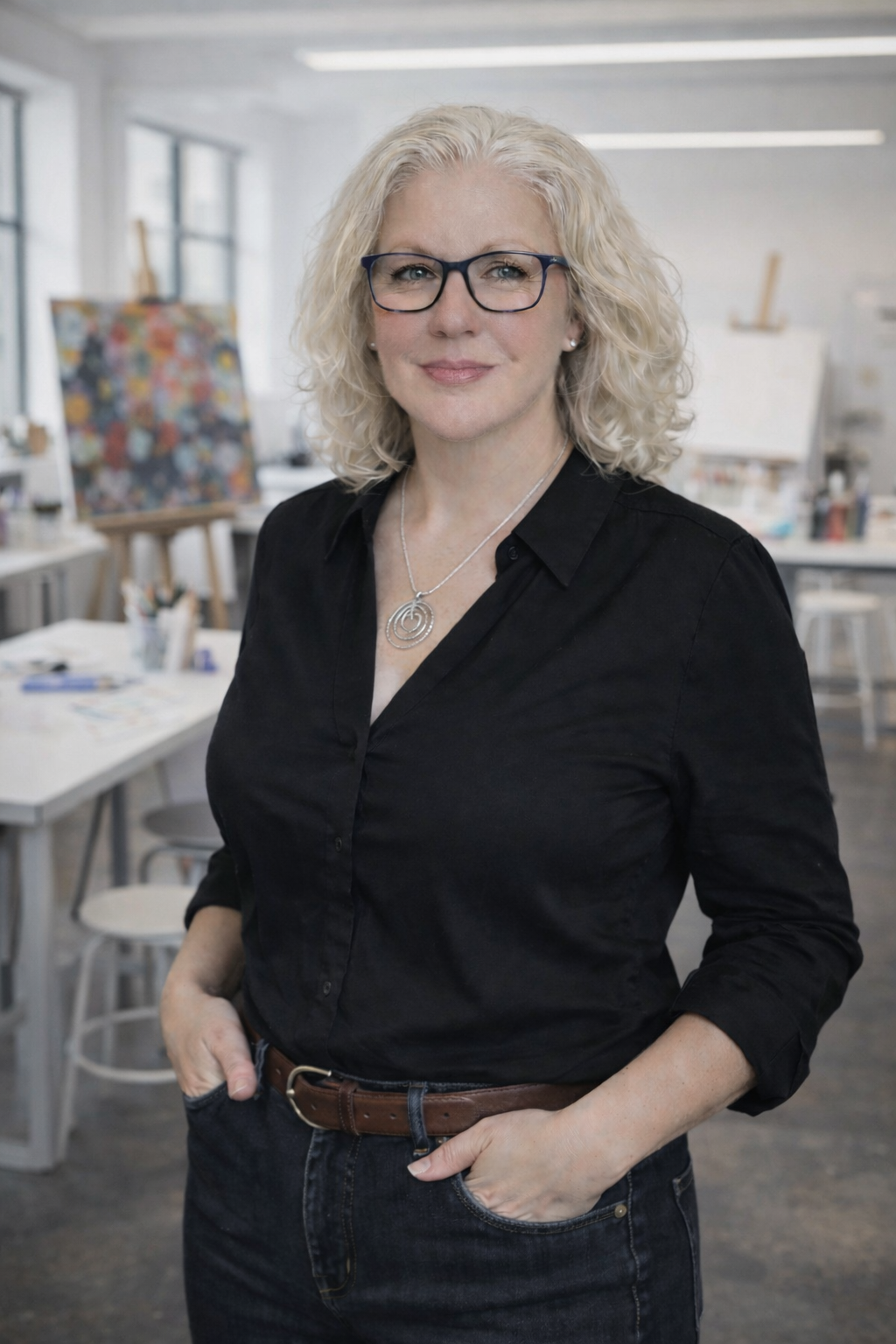
About Lissa Caron Griffiths
I support students, educators, and organisations to better understand learning, neurodiversity, and the environments in which people learn, work, and thrive.
Through DSA Mentoring & Consultancy, I provide specialist mentoring and neuro-affirming support for neurodivergent students in Higher Education. Through Neuro-Led Learning™, I explore the wider relationship between learning, regulation, environment, accessibility, wellbeing, and modern life.
LinkedIn | Neuro-Led Learning™ | DSA Mentoring & Consultancy | Contact Me
My Journey
I left school in 1992, but I never stopped learning.
Over the past three decades, my career has spanned mental health services, education, disability support, and Higher Education. Along the way, I worked as a Senior Mental Health Practitioner within both Adult Mental Health Services and CAMHS, where I designed and led outreach and early intervention services aimed at improving access to support and reducing barriers to engagement.
Working across health, education, and community settings provided a unique perspective. Whether supporting children, young people, adults, students, or families, I noticed a recurring theme: people were often viewed in isolation from the environments in which they were expected to function.
Individuals were frequently described as lacking motivation, organisation, resilience, confidence, or engagement. Yet when the wider picture was explored, the challenges often made far more sense. Relationships, expectations, accessibility, wellbeing, life experiences, workload, sensory demands, and environmental pressures all played a significant role.
This observation continued throughout my work in Further and Higher Education, where I have supported hundreds of neurodivergent students as an Academic Mentoring Tutor, Disability Advisor, and Specialist Mentor.
Again and again, I saw learners flourish when environments became more accessible, expectations became clearer, support became more personalised, and strengths were recognised.
Over time, these experiences led to the development of Neuro-Led Learning™ — a framework that encourages us to look beyond the individual and consider the wider factors that influence learning, participation, wellbeing, and performance.
Today, my work brings together professional practice, lived experience, research, and a lifelong commitment to learning. Through Neuro-Led Learning™, DSA Mentoring & Consultancy, writing, speaking, and consultancy work, I continue to explore how people and environments interact, and how a better understanding of that relationship can create more inclusive and effective systems for everyone.
Professional Practice
My work combines professional experience, academic study, service development, and lived experience.
- Academic Mentoring Tutor
- Disability Advisor
- Specialist Mentor (Autism & ADHD)
- Former Senior Mental Health Practitioner in Adult Mental Health and CAMHS
- Founder of DSA Mentoring & Consultancy
- Founder of Neuro-Led Learning™
- Author of Neuro-Led Learning: The New Generation
- MA SEN & SpLD Student
I currently work at Hereford College of Arts, supporting students with a wide range of needs including autism, ADHD, mental health difficulties, executive functioning challenges, and specific learning differences.
This breadth of experience has shaped an approach that considers not only the individual, but also the systems, environments, relationships, and expectations that influence wellbeing, participation, and learning.
Neuro-Led Learning™
Neuro-Led Learning™ encourages a broader understanding of learning by recognising the interaction between people and the environments in which they live, learn, and work.
Rather than asking what is wrong with individuals, Neuro-Led Learning™ invites us to consider what individuals are being required to process and whether the conditions around them support success.
DSA Mentoring & Consultancy
Alongside Neuro-Led Learning™, I provide specialist mentoring for students through Disabled Students' Allowance (DSA).
This work focuses on helping students develop practical strategies around:
- Executive Functioning
- Organisation and Planning
- Academic Confidence
- Self-Advocacy
- Emotional Regulation
- Transition and Change
- Study Skills
- Understanding Neurodivergence
The aim is not to change who someone is, but to help them understand how they learn best and build approaches that genuinely fit.
Lived Experience
Professional knowledge is only one part of my story.
I am also a parent of neurodivergent children and received my own diagnosis later in life.
These experiences have given me a personal understanding of the strengths, challenges, misunderstandings, and opportunities that often accompany neurodivergence.
They continue to influence my work every day.
Work With Me
I welcome enquiries from:
- Schools
- Colleges
- Universities
- Student Support Services
- Educational Organisations
- Conference Organisers
- Parents and Families
Services include:
- Specialist Mentoring
- Consultancy
- Educational Projects
Contact
Email:
contact@dsamentoring.co.uk
Website:
www.neuro-ledlearning.co.uk
LinkedIn:
linkedin.com/in/lissagriffiths